Skin cancer surgery is an important treatment option for removing cancerous skin growths and protecting healthy surrounding tissue. Advanced procedures for skin tumor removal are performed with precision to improve both treatment outcomes and cosmetic appearance whenever possible. Specialized melanoma surgery helps manage aggressive forms of skin cancer through early diagnosis and targeted surgical care. Personalized skin cancer treatment plans may include surgery, reconstruction, and long-term follow-up support based on the patient’s condition. Modern approaches to soft tissue cancer treatment focus on effective tumor management, faster recovery, and improved quality of life after treatment.
Skin cancer is the most common type of cancer worldwide, with a higher combined incidence than lung, breast, prostate, and colon cancers. It develops when abnormal skin cells grow uncontrollably, often due to prolonged exposure to ultraviolet (UV) radiation from sunlight or artificial tanning sources. Despite increasing public awareness about the harmful effects of excessive sun exposure, the number of skin cancer cases continues to rise globally.
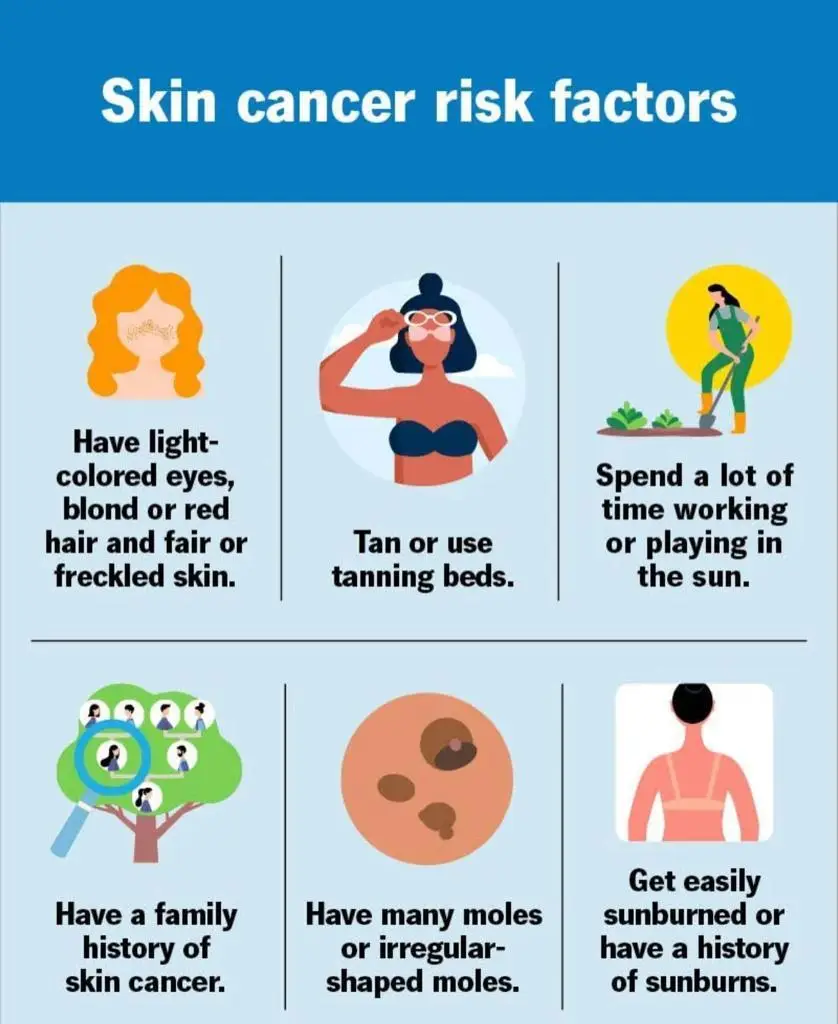
Several factors contribute to the growing incidence of skin cancer, including aging populations, high environmental UV exposure, lifestyle changes, and increased outdoor recreational activities. The risk may also increase due to repeated sunburns, weakened immunity, fair skin, genetic predisposition, and long-term exposure to harmful UV rays.
The prognosis and treatment outcome of skin cancer depend on multiple factors such as the type of lesion, tumor size, depth of invasion, biological behavior, location of the cancer, and the patient’s overall health condition. Early diagnosis and timely treatment play a crucial role in achieving successful recovery and preventing the spread of disease. Modern treatment approaches may include surgical excision, reconstructive procedures, targeted therapies, radiation therapy, and multidisciplinary oncology care for advanced or complex cases.
Effective skin cancer surgery often involves a combination of precise surgical techniques, patient-focused recovery care, and long-term monitoring. Advanced procedures for skin tumor removal are designed to treat cancer while preserving appearance and healthy surrounding tissue whenever possible. In complex cases, melanoma surgery may require specialized treatment planning to improve safety and reduce the risk of recurrence. Personalized skin cancer treatment helps patients receive the right combination of surgical care, rehabilitation, and follow-up support based on their condition. Modern soft tissue cancer treatment also focuses on improving comfort, restoring function, and supporting overall patient well-being throughout the recovery journey.
Prevention strategies aimed at reduction of known risk factors, patient education about the importance of early detection and treatment, and the search for more effective and tissue sparing therapies continues.
Tumors arising in the soft tissue form a diverse and complex group, as they may display varying degrees of mesenchymal differentiation. Most soft tissue tumors are benign and are usually cured with a simple surgical excision. Soft tissue sarcomas account for <1% of the overall human burden of malignant tumors but remain life-threatening, and approximately 40% of patients with newly diagnosed soft tissue sarcoma die of the disease.Soft tissue sarcoma, diagnosed at an early stage, is eminently curable. When diagnosed at the time of extensive local or metastatic disease, it is rarely curable. The relatively small number of cases and the great diversity in histopathologic features, anatomic sites, and biological behaviors have made comprehensive understanding of these disease entities difficult. A better consultation is urgently needed to get rid of this disease.
Modern skin cancer surgery focuses on removing cancerous tissue while preserving healthy skin and improving cosmetic outcomes whenever possible. Specialized procedures for skin tumor removal are carefully planned to reduce complications and support faster healing after surgery. In many cases, melanoma surgery is performed using advanced surgical techniques to prevent the spread of cancer and improve long-term recovery. Personalized skin cancer treatment may also include reconstructive procedures, follow-up monitoring, and supportive care based on the stage and severity of the condition. Comprehensive soft tissue cancer treatment helps patients receive effective care for both cancer control and improved quality of life.
Successful skin cancer surgery requires accurate diagnosis, experienced surgical care, and continuous patient monitoring throughout recovery. Advanced methods for skin tumor removal help maintain healthy surrounding tissue while effectively treating cancerous growths. Depending on the condition, melanoma surgery may be combined with additional therapies to achieve better treatment outcomes and reduce recurrence risks. Comprehensive skin cancer treatment also focuses on patient education, rehabilitation, and regular follow-up care for long-term health management. Modern soft tissue cancer treatment approaches are designed to provide safe, precise, and patient-focused care for complex skin and soft tissue cancers.
Dr. Sudam Sadangi provides expert guidance for the diagnosis, treatment, and long-term management of skin and soft tissue cancers through advanced surgical oncology care, precision-based treatment planning, and multidisciplinary cancer management. With a patient-focused approach, the emphasis remains on early detection, accurate diagnosis, organ preservation whenever possible, and improved recovery outcomes.
The treatment approach focuses not only on cancer control but also on maintaining functionality, cosmetic appearance, emotional wellbeing, and overall quality of life. Patients receive compassionate support, detailed consultation, post-treatment monitoring, and continuous guidance throughout every stage of their healing journey.