
HPV Cervical Cancer is one of the most common cancers affecting women and is closely linked to persistent HPV Infection. Since HPV Symptoms are often absent in the early stages, many women may remain unaware of their condition. Understanding Cervical Cancer Risk and adopting appropriate Cervical Cancer Prevention measures, such as vaccination and regular screening, are essential for early detection and better health outcomes.
HPV Cervical Cancer develops gradually and is usually caused by persistent infection with high-risk strains of the human papillomavirus. Although HPV infections are common, only a small percentage progress to HPV Cervical Cancer, especially when abnormal cervical cell changes are left untreated. Early screening, timely diagnosis, and vaccination play a major role in reducing the incidence of HPV Cervical Cancer and improving long-term survival rates. With increased awareness and preventive healthcare measures, many cases of HPV Cervical Cancer can be detected at an early stage, allowing for more effective treatment and better outcomes. Understanding the risk factors and recognizing warning signs can further help in preventing HPV Cervical Cancer and promoting women’s health.

Human Papillomavirus (HPV) infection is one of the most common viral infections worldwide. In fact, most sexually active individuals may acquire HPV at some point in their lives. While many HPV infections clear on their own without causing problems, certain high-risk types can increase the risk of developing cervical cancer.
Therefore, understanding the connection between HPV and cervical cancer is essential for prevention, early detection, and timely treatment.
What Is HPV?
Human Papillomavirus (HPV) is a group of more than 100 related viruses. Some types cause common skin warts, while others can affect the genital area and increase the risk of certain cancers.
High-risk HPV types, particularly HPV-16 and HPV-18, are responsible for the majority of cervical cancer cases.
Moreover, HPV infection is extremely common, and most infections do not lead to cancer.
How Does HPV Spread?
HPV is mainly transmitted through intimate skin-to-skin contact. Because of this, the virus can spread even when an infected person has no symptoms.
Common modes of transmission include:
- Sexual contact
- Genital skin-to-skin contact
- Oral sexual contact
- Vaginal or anal intercourse
However, having HPV infection does not mean a person will definitely develop cervical cancer.
How Does HPV Cause Cervical Cancer?
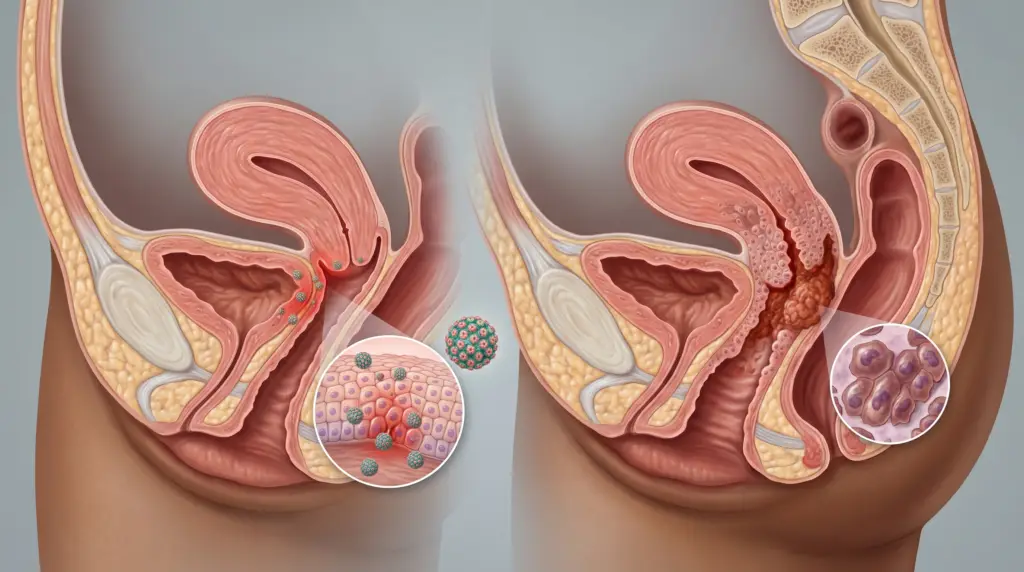
Most HPV infections are temporary and are eliminated naturally by the immune system. However, when high-risk HPV infection persists for many years, abnormal changes can occur in the cells of the cervix.
Over time, these abnormal cells may progress through stages known as precancerous lesions and eventually develop into cervical cancer.
Therefore, cervical cancer usually develops slowly, often over several years, which provides an opportunity for early detection and treatment.
Who Is at Higher Risk?
Although HPV infection is common, certain factors may increase the risk of persistent infection and cervical cancer.
These include:
- Persistent high-risk HPV infection
- Smoking
- Weak immune system
- Multiple sexual partners
- Early sexual activity
- Long-term use of oral contraceptives
- Previous sexually transmitted infections
In addition, women who do not undergo regular cervical cancer screening may have a higher risk of delayed diagnosis.
Does HPV Infection Always Cause Symptoms?
One of the challenges with HPV infection is that it usually causes no symptoms.
As a result, many women may not know they are infected.
Most individuals experience:
- No noticeable symptoms
- No pain or discomfort
- Normal daily activities
Therefore, regular screening becomes extremely important because abnormal cervical changes may develop silently.
Warning Signs of Cervical Cancer
Early cervical cancer often produces no symptoms. However, as the disease progresses, certain warning signs may appear.
These symptoms may include:
- Abnormal vaginal bleeding
- Bleeding after intercourse
- Bleeding between menstrual periods
- Post-menopausal bleeding
- Unusual vaginal discharge
- Pelvic pain
- Pain during intercourse
Moreover, these symptoms can occur due to conditions other than cancer. Nevertheless, they should never be ignored.
Cervical Cancer Screening Saves Lives
Regular screening allows doctors to detect abnormal cervical cells before they become cancerous.
Common screening methods include:
- Pap smear test
- HPV DNA test
- Pelvic examination
Because precancerous changes can be treated early, screening plays a major role in preventing cervical cancer.
Furthermore, women who undergo regular screening have a significantly lower risk of developing advanced disease.
Can HPV Infection Be Prevented?
Fortunately, HPV infection and cervical cancer are largely preventable.
Preventive measures include:
- HPV vaccination
- Regular Pap smear testing
- HPV DNA screening
- Safe sexual practices
- Avoiding smoking
- Maintaining a healthy immune system
As a result, preventive care has dramatically reduced cervical cancer rates in many countries.
Understanding the HPV Vaccine
The HPV vaccine provides protection against the most common high-risk HPV types responsible for cervical cancer.
The vaccine is recommended for:
- Girls and boys before becoming sexually active
- Adolescents and young adults
- Certain adults after medical consultation
Importantly, vaccination does not replace regular cervical cancer screening. Therefore, women should continue routine check-ups even after receiving the vaccine.
Can HPV Infection Be Treated?
There is currently no specific treatment that eliminates HPV itself. However, the body often clears the infection naturally.
Treatment is aimed at managing:
- Genital warts
- Abnormal cervical cells
- Precancerous lesions
- Cervical cancer when present
Therefore, early diagnosis and regular follow-up are crucial for successful management.
Is Cervical Cancer Curable?
When detected in its early stages, cervical cancer is highly treatable and often curable.
Treatment options may include:
- Surgery
- Radiation therapy
- Chemotherapy
- Targeted therapy
- Combination treatments
Moreover, advances in cancer treatment have improved survival rates and quality of life for many patients.
Common Myths About HPV and Cervical Cancer
Several misconceptions surrounding HPV can create unnecessary fear and confusion.
Facts to remember include:
- HPV infection is very common.
- HPV does not always cause cancer.
- Most infections resolve naturally.
- Vaccination helps reduce risk.
- Regular screening remains essential.
- Cervical cancer is often preventable.
Therefore, awareness and education play a vital role in protecting women’s health.
Final Thoughts
HPV infection is common, but cervical cancer is largely preventable. Although persistent infection with high-risk HPV types can increase the risk of cervical cancer, regular screening and vaccination have made early detection and prevention more effective than ever.
Moreover, understanding the relationship between HPV and cervical cancer empowers women to make informed healthcare decisions. With timely screening, vaccination, and medical guidance, many cases of cervical cancer can be prevented or treated successfully.
Book a Consultation with Dr. Sudam Sadangi Today
If you or a loved one have concerns about HPV infection, abnormal Pap smear results, or cervical cancer, seeking timely medical advice can make a significant difference.
📞Call for Appointment: +91 7854841519
📍Location: IMS & SUM Hospital, Bhubaneswar, Odisha
📧 Email: sudamscb@gmail.com
Awareness, prevention, and early detection remain the strongest tools in the fight against cervical cancer.
