
Exercise During Cancer Treatment is increasingly recognized as a safe and beneficial part of supportive cancer care. Appropriate Cancer Treatment Exercise can help patients maintain strength, manage fatigue, and improve their overall quality of life. Understanding Cancer Exercise Safety and incorporating suitable Physical Activity Cancer programs can support both treatment and recovery. With proper medical guidance, Cancer Recovery Exercise can be tailored to each individual’s needs and health condition.
Research shows that Exercise During Cancer Treatment may help reduce fatigue, improve muscle strength, enhance mood, and support better treatment tolerance. While the type and intensity of activity vary from person to person, Exercise During Cancer Treatment can be adapted according to age, cancer type, and overall health status. Many specialists recommend Exercise During Cancer Treatment as part of a comprehensive care plan because it promotes mobility and supports long-term recovery. Understanding Cancer Exercise Safety and incorporating suitable Physical Activity Cancer programs can support both treatment and recovery. With proper medical guidance, Cancer Recovery Exercise can be tailored to each individual’s needs and health condition.
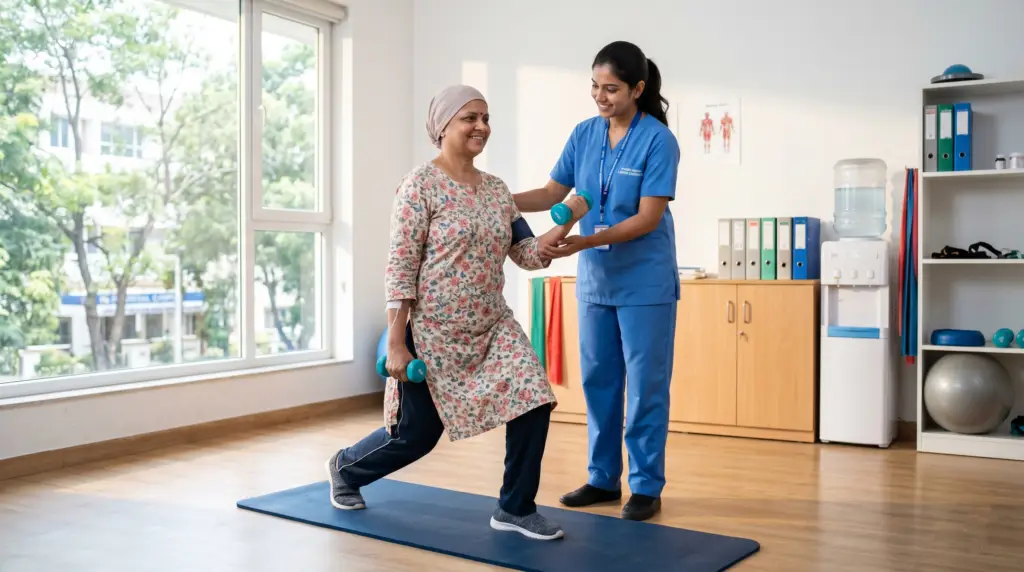
A cancer diagnosis often brings many questions, and one common concern among patients is whether exercising during treatment is safe. While rest is important, complete inactivity may not always be beneficial.
In fact, many studies have shown that appropriate physical activity can help patients maintain strength, improve mood, and enhance overall quality of life during treatment. However, the type and intensity of exercise should always be tailored to the individual’s health condition and treatment plan.
Why Physical Activity Matters During Cancer Treatment
Cancer treatments such as chemotherapy, radiation therapy, and surgery can affect energy levels and physical strength. As a result, many patients become less active, which may lead to muscle weakness and increased fatigue.
Regular exercise can help:
- Improve physical strength
- Reduce cancer-related fatigue
- Support heart health
- Maintain flexibility and balance
- Improve sleep quality
- Enhance emotional well-being
Moreover, staying active can help patients feel more independent and confident throughout their cancer journey.
Is Exercise Safe for Cancer Patients?
For most patients, moderate exercise is generally considered safe. However, the type and amount of activity depend on several factors, including:
- Type of cancer
- Stage of the disease
- Current treatment plan
- Overall physical condition
- Existing medical problems
- Side effects experienced during treatment
Therefore, patients should always discuss their exercise plans with their oncology team before beginning any new routine.
Benefits of Exercise During Cancer Treatment
Physical activity offers several benefits beyond maintaining fitness. In addition, regular movement can help manage some common side effects of treatment.
Potential benefits include:
- Reduced fatigue
- Better appetite
- Improved mood
- Less anxiety and stress
- Enhanced muscle strength
- Better mobility
- Improved balance
- Reduced risk of treatment-related complications
Furthermore, exercise may help patients recover more quickly after treatment and return to their daily activities sooner.
Fatigue Does Not Always Mean Complete Rest
Many patients experience fatigue during chemotherapy or radiation therapy. Although resting is necessary, prolonged inactivity can sometimes make fatigue worse.
Patients may notice:
- Reduced stamina
- Difficulty performing routine activities
- Muscle weakness
- Low energy levels
However, gentle exercise often helps improve energy levels over time. Therefore, balancing rest with physical activity can be beneficial.
Which Types of Exercise Are Usually Recommended?
Not every patient needs intense workouts. In fact, simple activities are often enough to provide meaningful benefits.
Common forms of exercise include:
- Walking
- Light stretching
- Yoga
- Breathing exercises
- Stationary cycling
- Low-impact aerobic exercises
- Resistance exercises with light weights
Moreover, even short sessions of 10 to 20 minutes can contribute to better physical and emotional health.
Exercise Can Also Support Mental Health
Cancer treatment affects not only the body but also the mind. Patients often experience stress, anxiety, and emotional exhaustion.
Regular physical activity may help:
- Reduce stress levels
- Improve mood
- Promote better sleep
- Increase self-confidence
- Decrease symptoms of anxiety and depression
As a result, exercise can become an important part of overall cancer care.

When Should Patients Avoid Exercise?
Although exercise is beneficial for many individuals, certain situations require extra caution.
Patients should seek medical advice if they experience:
- Severe fatigue
- Fever or infection
- Shortness of breath
- Dizziness
- Uncontrolled pain
- Significant anemia
- Low platelet counts
- Bone weakness caused by cancer spread
In addition, patients recovering from surgery may need to avoid certain movements until healing is complete.
Tips for Exercising Safely During Cancer Treatment
Safety should always come first. Therefore, patients should gradually increase activity levels instead of trying to do too much too soon.
Helpful recommendations include:
- Start slowly and progress gradually
- Stay well hydrated
- Wear comfortable clothing and footwear
- Listen to your body’s signals
- Take breaks when needed
- Avoid overexertion
- Exercise in a safe environment
- Follow your doctor’s recommendations
Furthermore, consistency is often more important than intensity.
Recovery After Exercise May Take Longer
Because cancer treatments place additional stress on the body, recovery after physical activity may take longer than usual.
Patients may experience:
- Temporary tiredness
- Muscle soreness
- Reduced endurance
- Variable energy levels from day to day
Therefore, it is important to remain patient and adjust exercise routines according to individual needs.
Can Exercise Reduce the Risk of Cancer Recurrence?
Research suggests that maintaining a physically active lifestyle may help improve overall health and may reduce the risk of recurrence in certain cancers.
Exercise can contribute to:
- Better weight management
- Improved immune function
- Reduced inflammation
- Better cardiovascular health
- Enhanced quality of life
However, exercise should be viewed as a supportive measure rather than a replacement for medical treatment.
Final Thoughts
Exercise during cancer treatment is generally safe for most patients and can provide significant physical and emotional benefits. While treatment may temporarily affect energy and strength, staying active through appropriate exercises can help improve quality of life and support recovery.
Nevertheless, every patient’s condition is unique. Therefore, exercise programs should always be individualized and discussed with healthcare professionals.
With proper guidance and realistic expectations, physical activity can become an important part of the healing journey and help patients regain confidence and independence.
Book a Consultation with Dr. Sudam Sadangi Today
If you or a loved one are undergoing cancer treatment and would like expert advice on maintaining an active and healthy lifestyle, professional guidance can help ensure safe and effective care.
📞Call for Appointment: +91 7854841519
📍Location: IMS & SUM Hospital, Bhubaneswar, Odisha
📧 Email: sudamscb@gmail.com
Exercise is not about pushing the body beyond its limits. Rather, it is about supporting recovery, maintaining strength, and improving overall well-being throughout the cancer journey.
