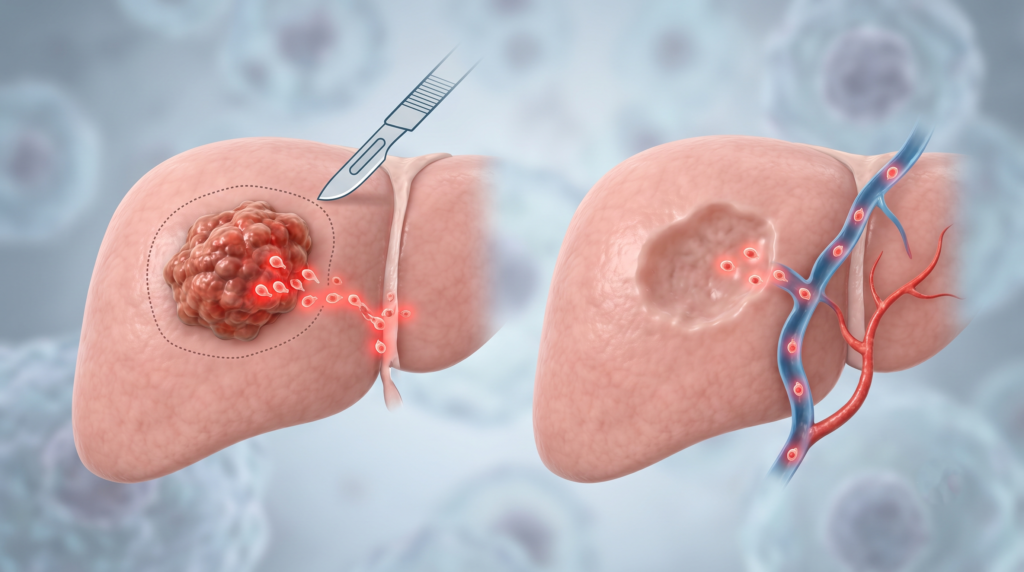
Cancer Spread After Surgery is a concern for many patients after successful Tumor Removal. Although Cancer Surgery aims to remove the visible tumour, Microscopic Cancer Cells may sometimes already exist in nearby tissues or other parts of the body. These cells may contribute to Cancer Recurrence, which is why regular follow-up and monitoring remain important after treatment.
Cancer surgery is often performed to remove a tumor from the body. After successful surgery, many patients naturally feel relieved that the cancer has been removed.
However, a common question remains: Can cancer still spread after the tumor is removed?
The answer is yes, in some cases. Even when the visible tumor is completely removed, microscopic cancer cells may already be present in nearby tissues, lymph nodes, or other parts of the body.
Therefore, understanding how cancer spreads and why follow-up care is important can help patients stay informed about their recovery and long-term health.
What Happens When a Cancer Tumor Is Removed?
During cancer surgery, an onco surgeon removes the main tumor along with a margin of surrounding tissue when medically appropriate.
The goal is to remove cancer cells from the affected area.
After surgery, the removed tissue is sent to a pathology laboratory.
A pathologist examines the tissue and provides important information about:
- Cancer type
- Tumor size
- Tumor grade
- Surgical margins
- Lymph node involvement
- Other cancer characteristics
Therefore, the pathology report plays an important role in deciding whether additional treatment may be needed.
Can Cancer Spread Before Surgery?
Yes. Cancer cells may sometimes leave the original tumor before surgery is performed.
These cells can travel through:
- Blood vessels
- Lymphatic vessels
- Nearby tissues
Once cancer cells enter the bloodstream or lymphatic system, they may travel to other parts of the body.
However, these cells may be extremely small and difficult to detect on imaging tests.
Therefore, even detailed scans may not always identify microscopic cancer cells.
What Are Microscopic Cancer Cells?
Microscopic cancer cells are cancer cells that are too small to be seen during surgery or detected through routine scans.
They may exist:
- Near the original tumor
- In nearby lymph nodes
- In the bloodstream
- In distant tissues or organs
In some cases, these cells may remain inactive for a period of time.
However, they may later begin growing and form a new tumor.
Therefore, removing the visible tumor does not always guarantee that every cancer cell has been eliminated.
Does Cancer Surgery Cause Cancer to Spread?
No. This is a common cancer myth.
Cancer surgery does not normally cause cancer to spread throughout the body.
Modern cancer surgery follows careful surgical techniques designed to remove tumors safely.
Surgeons plan the procedure based on:
- Tumor location
- Cancer stage
- Nearby organs
- Blood vessels
- Lymphatic drainage
Moreover, surgical oncology techniques aim to minimize unnecessary handling of the tumor.
Therefore, patients should not delay recommended surgery because of the fear that surgery will spread cancer.
Why Can Cancer Return After Surgery?
Cancer may return when cancer cells remain in the body after treatment.
This is known as cancer recurrence.
Cancer recurrence may occur because:
- Microscopic cancer cells were already present
- Cancer had spread before diagnosis
- Some cancer cells survived treatment
- The tumor had aggressive biological features
- Cancer cells remained near the surgical area
However, recurrence risk varies significantly between patients.
Therefore, doctors evaluate the cancer type, stage, and pathology findings to estimate the risk.
What Is Local Cancer Recurrence?
Local recurrence means cancer returns in or near the area where the original tumor was located.
For example, cancer cells may remain in nearby tissues after treatment.
Over time, these cells may begin growing again.
Local recurrence may sometimes be detected through:
- Physical examination
- Imaging tests
- Blood tests
- Follow-up investigations
Depending on the cancer type, additional treatment may be possible.
Therefore, regular medical follow-up remains important after cancer surgery.
What Is Regional Cancer Recurrence?
Regional recurrence occurs when cancer returns in nearby lymph nodes or tissues.
Lymph nodes are part of the body’s lymphatic system.
Because cancer cells can travel through lymphatic vessels, nearby lymph nodes may sometimes contain cancer cells.
Therefore, lymph node evaluation is often an important part of cancer surgery.
If regional recurrence develops, treatment may include surgery, radiation therapy, systemic treatment, or a combination of approaches.
What Is Distant Cancer Recurrence?
Distant recurrence means cancer has developed in an organ or area far from the original tumor.
This is also known as metastatic cancer.
Common areas of cancer spread may include:
- Liver
- Lungs
- Bones
- Brain
- Distant lymph nodes
For example, colon cancer that spreads to the liver remains colon cancer.
It does not become liver cancer.
Therefore, treatment is usually planned according to the original cancer type.
How Long After Surgery Can Cancer Return?
Cancer recurrence can happen at different times.
Some cancers may return within months or a few years after treatment.
On the other hand, certain cancers may recur many years later.
The timing depends on several factors, including:
- Cancer type
- Cancer stage
- Tumor grade
- Cancer biology
- Lymph node involvement
- Treatment received
Therefore, follow-up schedules differ for different cancers.
Patients should continue medical follow-up according to their doctor’s advice.
What Are Surgical Margins?
Surgical margins refer to the edges of the tissue removed during cancer surgery.
After surgery, a pathologist examines these margins for cancer cells.
A negative or clear margin means no cancer cells are found at the edge of the removed tissue.
A positive margin means cancer cells are present at the edge.
Positive margins may suggest that cancer cells could remain in the surgical area.
Therefore, doctors may recommend additional surgery or other treatment depending on the individual case.
Does a Clear Surgical Margin Mean Cancer Cannot Return?
Clear surgical margins are an important positive finding.
However, they cannot always guarantee that cancer will never return.
This is because microscopic cancer cells may already have travelled beyond the surgical area before the tumor was removed.
Therefore, doctors consider several factors in addition to surgical margins.
These may include:
- Lymph node status
- Tumor grade
- Cancer stage
- Molecular features
- Blood vessel involvement
- Lymphatic invasion
As a result, some patients may need additional treatment even after complete tumor removal.
Why Is Chemotherapy Given After Cancer Surgery?
Chemotherapy given after surgery is known as adjuvant chemotherapy.
Its purpose is to destroy microscopic cancer cells that may remain in the body.
Adjuvant chemotherapy may help reduce the risk of cancer recurrence in selected patients.
However, not every patient requires chemotherapy after surgery.
The decision depends on:
- Cancer type
- Cancer stage
- Pathology findings
- Patient’s overall health
- Risk of recurrence
Therefore, treatment plans are created individually.
Why Is Radiation Therapy Sometimes Needed After Surgery?
Radiation therapy may be recommended to destroy cancer cells that could remain near the original tumor area.
It may help reduce the risk of local cancer recurrence in selected cancers.
Radiation therapy is commonly considered based on:
- Tumor location
- Surgical margins
- Tumor size
- Lymph node involvement
- Cancer type
Moreover, radiation treatment is carefully planned to target the required area.
Therefore, patients should discuss the benefits and possible side effects with their cancer care team.
Can Immunotherapy or Targeted Therapy Prevent Cancer Recurrence?
In selected cancers, immunotherapy or targeted therapy may be recommended after surgery.
Immunotherapy helps the immune system recognize and attack cancer cells.
Meanwhile, targeted therapy focuses on specific changes or proteins within cancer cells.
These treatments may be used when certain biological or molecular features are present.
Therefore, additional tests may sometimes be required before recommending these therapies.
What Factors Increase the Risk of Cancer Returning?
Several factors may influence cancer recurrence risk.
These include:
- Advanced cancer stage
- Lymph node involvement
- Aggressive tumor grade
- Positive surgical margins
- Large tumor size
- Blood vessel invasion
- Lymphatic invasion
- Certain genetic or molecular changes
However, having one or more risk factors does not mean cancer will definitely return.
Similarly, a low recurrence risk does not completely eliminate the possibility.
Therefore, regular monitoring remains important.
What Symptoms Should Patients Watch for After Cancer Surgery?
Patients should report new or persistent symptoms to their healthcare team.
Possible warning signs may include:
- Unexplained weight loss
- Persistent pain
- New lumps or swelling
- Unusual bleeding
- Persistent cough
- Changes in bowel habits
- Severe fatigue
- Loss of appetite
- New neurological symptoms
However, these symptoms can also occur due to non-cancerous conditions.
Nevertheless, proper medical evaluation can help identify the cause.
Why Are Regular Follow-Up Visits Important?
Follow-up care is an essential part of cancer treatment.
During follow-up visits, doctors may perform:
- Physical examinations
- Blood tests
- Imaging tests
- Tumor marker tests in selected cancers
- Other cancer-specific investigations
The purpose is to monitor recovery and identify possible signs of recurrence.
Moreover, follow-up visits allow patients to discuss treatment side effects and other health concerns.
Therefore, patients should not stop medical follow-up simply because they feel healthy.
Can Cancer Recurrence Be Prevented?
It is not always possible to completely prevent cancer recurrence.
However, patients can support their overall health by following medical advice.
Helpful steps may include:
- Completing recommended cancer treatment
- Attending regular follow-up visits
- Avoiding tobacco
- Maintaining a healthy weight
- Eating a balanced diet
- Staying physically active when medically suitable
- Reporting unusual symptoms early
Most importantly, patients should take prescribed medicines and complete treatment according to their doctor’s recommendations.
Does Cancer Recurrence Mean Treatment Has Failed?
Not necessarily.
Cancer recurrence can be emotionally difficult. However, several treatment options may still be available.
Depending on the location and extent of recurrence, treatment may include:
- Surgery
- Chemotherapy
- Radiation therapy
- Immunotherapy
- Targeted therapy
- Hormone therapy
- Combination treatment
Moreover, advances in cancer treatment continue to improve disease control for many patients.
Therefore, patients should discuss available options with their cancer specialist.
When Should You Consult an Onco Surgeon?
If you have recently undergone cancer surgery or have concerns about cancer recurrence, speaking with an experienced onco surgeon can help.
You may want to discuss:
- Your pathology report
- Surgical margins
- Lymph node results
- Cancer stage
- Recurrence risk
- Need for additional treatment
- Follow-up schedule
Understanding these factors can help patients make informed decisions about their cancer care.
Final Thoughts
Cancer can sometimes spread even after the visible tumor has been removed. This may happen because microscopic cancer cells were already present in the body before surgery.
However, this does not mean cancer surgery is ineffective.
Surgery remains an important treatment for many cancers, especially when the disease can be removed safely.
Furthermore, additional treatments such as chemotherapy, radiation therapy, immunotherapy, or targeted therapy may help reduce the risk of recurrence in selected patients.
Therefore, regular follow-up and timely medical guidance remain essential after cancer surgery.
Book a Consultation with Dr. Sudam Sadangi Today
If you or a loved one has undergone cancer surgery and has concerns about cancer spread or recurrence, timely specialist guidance can help you understand the next steps.
Consult Dr. Sudam Sadangi, Onco Surgeon in Bhubaneswar, for expert cancer evaluation, surgical oncology care, and personalized treatment guidance.
📞 Call for Appointment: +91 7854841519
📍 Location: IMS & SUM Hospital, Bhubaneswar, Odisha
📧 Email: sudamscb@gmail.com
Regular follow-up, proper monitoring, and timely cancer care can play an important role in long-term cancer management.
