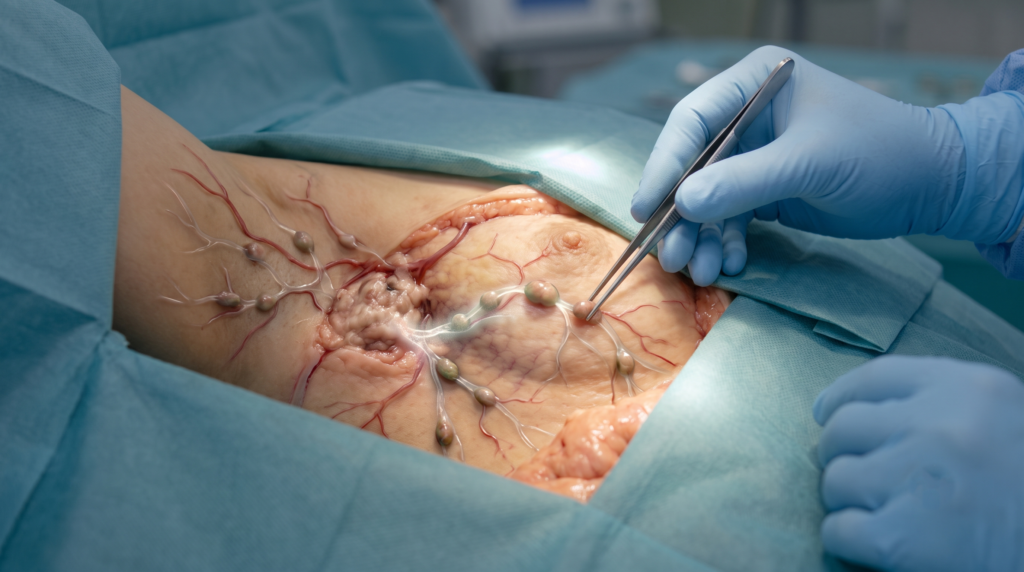
Lymph Node Removal is sometimes performed during cancer surgery to check whether cancer cells have spread beyond the original tumour. Understanding the role of Lymph Nodes in Cancer is important because their involvement can influence cancer staging and treatment planning. During Cancer Surgery, doctors may assess Cancer Spread to Lymph Nodes and perform a Lymph Node Dissection when medically appropriate.
Cancer is a serious health condition that develops when abnormal cells begin to grow uncontrollably. Although some cancers grow slowly, others may progress quickly and spread to different parts of the body.
Therefore, delaying cancer treatment can allow the disease to become more advanced and difficult to manage.
However, many people delay medical care because of fear, lack of symptoms, financial concerns, or the belief that cancer may disappear on its own.
Understanding what happens when cancer is left untreated can help patients make informed decisions and seek medical care at the right time.
What Does Untreated Cancer Mean?
Untreated cancer means that a diagnosed or suspected cancer is not receiving appropriate medical treatment.
Treatment may include:
- Surgery
- Chemotherapy
- Radiation therapy
- Immunotherapy
- Targeted therapy
- Hormone therapy
In some cases, doctors may recommend active surveillance for certain slow-growing cancers. However, active surveillance is not the same as ignoring cancer.
Instead, the patient is closely monitored through regular tests and medical examinations.
Therefore, cancer treatment decisions should always be made with the guidance of an experienced cancer specialist.
How Does Cancer Progress in the Body?
Cancer begins when abnormal cells grow and divide without normal control.
Initially, cancer may remain limited to one area of the body. This is often known as localized cancer.
However, as cancer cells continue to grow, the tumor may become larger and invade nearby tissues.
Over time, cancer cells may also enter the blood or lymphatic system.
As a result, the disease can spread to distant organs.
This process is known as metastasis.
Therefore, cancer progression can change a localized disease into a more complex condition.
Can a Cancer Tumor Continue to Grow?
Yes. In many cases, untreated cancer tumors continue to grow.
As the tumor becomes larger, it may press against nearby organs, nerves, or blood vessels.
Consequently, patients may experience:
- Pain
- Swelling
- Bleeding
- Difficulty swallowing
- Breathing problems
- Digestive problems
- Changes in bowel habits
However, symptoms depend on the type and location of the cancer.
Moreover, some cancers may grow for a long time without causing noticeable symptoms.
Therefore, the absence of pain does not always mean that cancer is harmless.
What Happens When Cancer Spreads?
Cancer cells can sometimes break away from the original tumor and travel to other parts of the body.
They may spread through:
- The bloodstream
- The lymphatic system
- Nearby tissues
Once these cancer cells reach another organ, they may begin forming new tumors.
Common areas where cancer may spread include:
- Liver
- Lungs
- Bones
- Brain
- Lymph nodes
For example, colon cancer that spreads to the liver is still considered metastatic colon cancer.
Therefore, identifying and treating cancer before it spreads may improve treatment possibilities.
Does Untreated Cancer Always Spread Quickly?
No. Different cancers behave differently.
Some cancers grow slowly and may take years to progress. On the other hand, certain aggressive cancers can grow and spread within a shorter period.
Cancer progression may depend on:
- Type of cancer
- Cancer stage
- Tumor grade
- Genetic changes in cancer cells
- Patient’s overall health
- Immune system function
Therefore, it is difficult to predict cancer progression without proper medical evaluation.
Most importantly, patients should never assume that a cancer is slow-growing without consulting a specialist.
Can Cancer Damage Nearby Organs?
As a cancer tumor grows, it may invade surrounding tissues and organs.
For example, a tumor may block the intestine, affect breathing, or interfere with normal organ function.
Depending on the cancer location, complications may include:
- Bowel obstruction
- Difficulty breathing
- Urinary problems
- Severe bleeding
- Nerve compression
- Organ dysfunction
Furthermore, advanced tumors may become more difficult to remove completely through surgery.
Therefore, early medical evaluation can be important for planning effective treatment.
Can Untreated Cancer Cause Severe Pain?
Cancer does not always cause pain during its early stages.
However, pain may develop as the disease progresses.
A growing tumor may press on:
- Nerves
- Bones
- Organs
- Blood vessels
- Nearby tissues
In addition, cancer that spreads to the bones may cause significant discomfort.
Fortunately, modern cancer care includes several methods for managing cancer-related pain.
Nevertheless, identifying and treating the underlying disease remains important.
Can Cancer Affect the Entire Body?
Yes. Advanced cancer can affect the body’s overall health.
Cancer cells may use significant amounts of energy and nutrients. In addition, inflammation caused by cancer can affect normal body functions.
As a result, patients may experience:
- Unexplained weight loss
- Severe fatigue
- Loss of appetite
- Muscle weakness
- Frequent infections
- Anemia
- General weakness
A condition known as cancer cachexia may also develop in some patients.
Cancer cachexia causes severe weight and muscle loss and can significantly affect a patient’s strength.
Therefore, unexplained physical changes should not be ignored.
Why Does Cancer Become Harder to Treat in Advanced Stages?
Early-stage cancer may sometimes be limited to one organ or area.
In such situations, surgery may be able to remove the tumor completely.
However, once cancer spreads to several parts of the body, treatment becomes more complex.
Advanced cancer may require:
- Chemotherapy
- Immunotherapy
- Targeted therapy
- Radiation therapy
- Multiple treatment approaches
Moreover, treatment goals may change depending on the stage and type of cancer.
Therefore, early diagnosis often provides doctors with more treatment options.
Can Cancer Disappear Without Treatment?
Cancer rarely disappears on its own.
Although extremely rare cases of spontaneous cancer regression have been reported, patients should never depend on this possibility.
Furthermore, home remedies, supplements, or alternative therapies should not replace evidence-based cancer treatment.
Delaying proper medical care may allow cancer to progress.
Therefore, any suspected or confirmed cancer should be evaluated by a qualified cancer specialist.
Why Do Some Patients Delay Cancer Treatment?
There are several reasons why patients may delay treatment.
Common reasons include:
- Fear of surgery
- Fear of chemotherapy
- Financial concerns
- Cancer treatment myths
- Lack of symptoms
- Seeking multiple opinions
- Dependence on alternative treatments
- Fear of the diagnosis
However, delaying treatment without medical guidance may affect treatment options.
Therefore, patients should openly discuss their concerns with their doctor.
Clear information can help reduce fear and support better treatment decisions.
Does Early Cancer Treatment Improve Outcomes?
In many cancers, early detection and timely treatment can improve treatment outcomes.
When cancer is detected before it spreads, doctors may have more options to control or remove the disease.
Benefits of early treatment may include:
- More treatment options
- Greater possibility of complete tumor removal
- Less extensive surgery in some cases
- Lower risk of cancer spread
- Better disease control
However, every cancer is different.
Therefore, treatment plans should be based on the cancer type, stage, and patient’s overall health.
When Should You Consult a Cancer Specialist?
You should seek medical evaluation if you notice persistent or unexplained changes in your body.
Possible warning signs include:
- Unexplained weight loss
- Persistent lumps or swelling
- Unusual bleeding
- Long-lasting pain
- Changes in bowel habits
- Difficulty swallowing
- Persistent cough
- Unusual skin changes
- Severe unexplained fatigue
Although these symptoms do not always indicate cancer, they should be properly evaluated.
Moreover, if cancer has already been diagnosed, discussing treatment options with an experienced onco surgeon or cancer specialist is essential.
Final Thoughts
Cancer progression can vary from one patient to another. While some cancers grow slowly, others may spread rapidly and affect important organs.
However, leaving cancer untreated may allow abnormal cells to continue growing, invade nearby tissues, and spread to distant parts of the body.
Therefore, timely diagnosis and appropriate cancer treatment are important.
Most importantly, patients should not delay medical care because of fear or misinformation. Speaking with an experienced cancer specialist can help patients understand their diagnosis and available treatment options.
Book a Consultation with Dr. Sudam Sadangi Today
If you or a loved one has been diagnosed with cancer or has concerns about possible cancer symptoms, timely medical evaluation can make a significant difference.
Consult Dr. Sudam Sadangi, Onco Surgeon in Bhubaneswar, for expert guidance, cancer evaluation, and advanced surgical oncology care.
📞 Call for Appointment: +91 7854841519
📍 Location: IMS & SUM Hospital, Bhubaneswar, Odisha
📧 Email: sudamscb@gmail.com
Early evaluation, proper diagnosis, and timely cancer treatment can provide patients with better treatment possibilities.
