Sugar Cancer Myth continues to create confusion among patients and families seeking reliable information about cancer and nutrition. Understanding the relationship between Sugar and Cancer is important because many beliefs are not supported by scientific evidence. Learning accurate Cancer Diet Facts and following appropriate Cancer Nutrition recommendations can help patients maintain a Healthy Cancer Diet and support overall well-being during treatment and recovery.
The Sugar Cancer Myth stems from the belief that eliminating sugar can stop cancer growth, but scientific evidence shows that the relationship between diet and cancer is far more complex. Although cancer cells use glucose for energy, so do healthy cells throughout the body, making it impossible to “starve” cancer through diet alone. Understanding the facts behind the Sugar Cancer Myth can help patients make informed dietary choices and avoid unnecessary nutritional restrictions.
Experts emphasize that balanced nutrition is more beneficial than extreme diets, making the Sugar Cancer Myth an important topic for patients and caregivers to understand. By separating facts from misconceptions, individuals can avoid the fear created by the Sugar Cancer Myth and make informed decisions that support overall health and recovery.
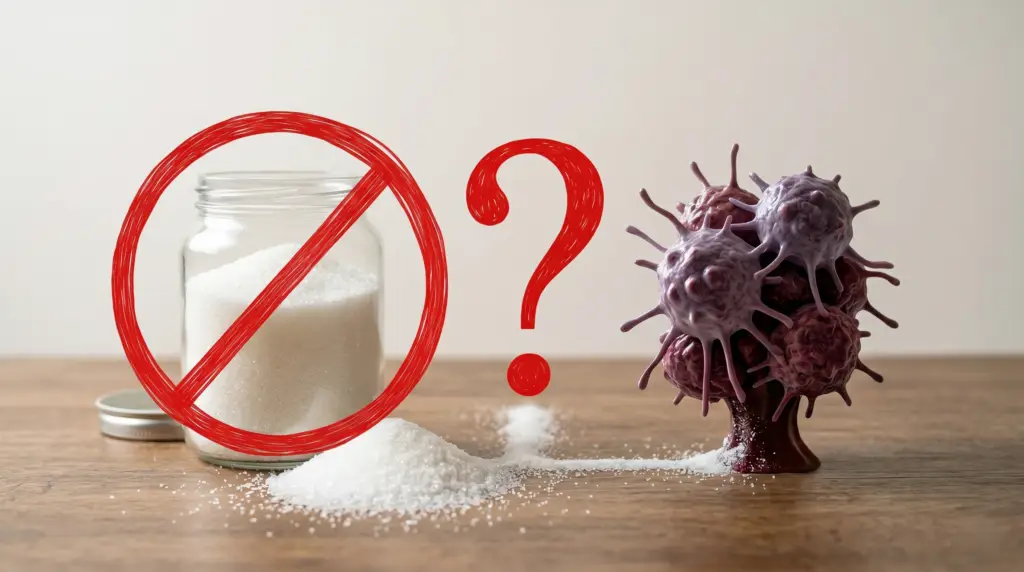
Many people diagnosed with cancer often hear the claim that sugar directly feeds cancer cells. As a result, patients and their families may wonder whether completely avoiding sugar can stop cancer growth.
However, the relationship between sugar and cancer is more complex than this common belief suggests. Understanding the facts can help patients make healthier and more informed choices during cancer treatment and recovery.
Why Does the Myth Exist?
All cells in the body, including cancer cells, use glucose (a form of sugar) as a source of energy. Because of this, some people assume that eating sugar directly causes cancer to grow faster.
However, healthy cells also rely on glucose to function properly. Therefore, eliminating sugar completely cannot selectively starve cancer cells without affecting normal cells as well.
Moreover, the body naturally converts carbohydrates from foods such as rice, fruits, and vegetables into glucose. As a result, avoiding table sugar alone does not prevent glucose from being available in the body.
Fact: Sugar Does Not Directly Cause Cancer Growth
Current scientific evidence does not show that consuming sugar directly makes cancer cells grow faster or causes cancer to spread.
Patients may be relieved to know that:
- Sugar itself does not cause cancer.
- Completely avoiding sugar cannot cure cancer.
- Cancer cells cannot be selectively starved by eliminating sugar.
- A balanced diet remains important during treatment.
Therefore, there is no need to fear every gram of sugar in the diet.
Excess Sugar Can Affect Overall Health
Although sugar does not directly feed cancer, excessive sugar intake can contribute to other health problems.
Too much added sugar may lead to:
- Weight gain
- Obesity
- Type 2 diabetes
- Increased inflammation
- Heart disease
In addition, obesity has been linked with an increased risk of several cancers. Therefore, maintaining a healthy weight is an important part of overall cancer prevention and recovery.
Natural Sugars and Added Sugars Are Different
Not all sources of sugar are the same. Natural sugars found in fruits, vegetables, and dairy products come with important nutrients that support overall health.
Healthy sources include:
- Fresh fruits
- Milk and yogurt
- Whole grains
- Vegetables
On the other hand, foods high in added sugars often provide calories without significant nutritional value.
Common sources of added sugar include:
- Soft drinks
- Packaged juices
- Cakes and pastries
- Candies and sweets
- Processed snacks
Therefore, moderation is generally more beneficial than complete restriction.
Special Nutrition Needs During Cancer Treatment
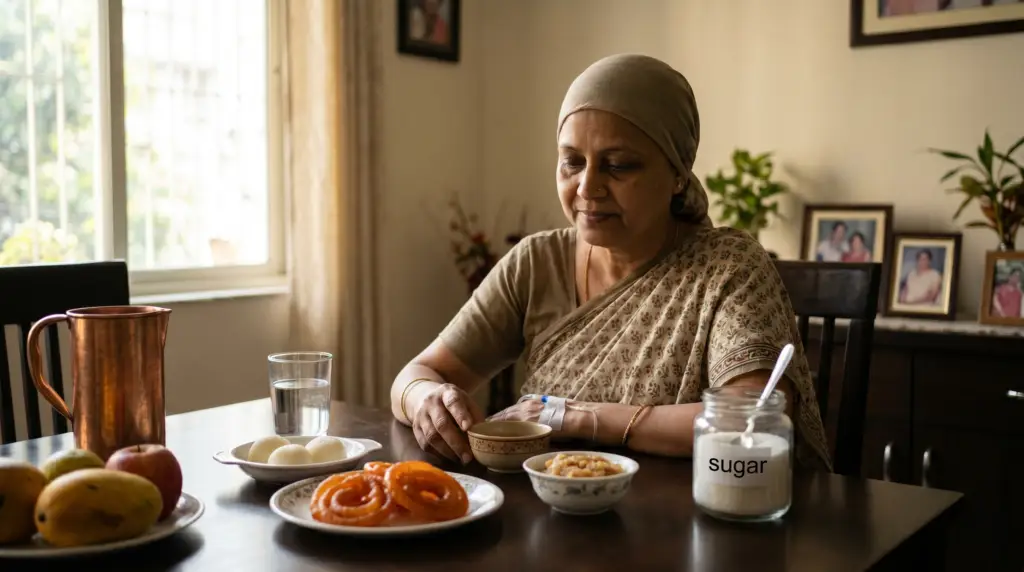
Cancer patients sometimes experience loss of appetite, weight loss, or difficulty eating. In such situations, maintaining adequate nutrition becomes more important than strictly avoiding sugar.
Doctors may recommend:
- Small and frequent meals
- High-protein foods
- Adequate hydration
- Nutritional supplements when needed
- Individualized dietary plans
Moreover, every patient’s nutritional needs are different. Therefore, dietary decisions should always be discussed with healthcare professionals.
Can Cutting Out Sugar Cure Cancer?
Many alternative diets claim that removing sugar completely can cure cancer. However, these claims are not supported by scientific evidence.
In reality:
- No diet can cure cancer by itself.
- Standard treatments remain essential.
- Good nutrition supports recovery and overall well-being.
- Extreme dietary restrictions may lead to malnutrition.
As a result, patients should be cautious about misinformation found online or through unverified sources.
Healthy Eating Habits That Support Recovery
Instead of focusing only on sugar, patients should aim for an overall balanced diet.
Helpful habits include:
- Eating plenty of fruits and vegetables
- Choosing whole grains
- Limiting processed foods
- Staying physically active when possible
- Drinking enough water
- Maintaining a healthy body weight
Furthermore, these lifestyle habits contribute to better overall health and may help reduce the risk of several chronic diseases.
Final Thoughts
The idea that sugar directly feeds cancer is largely a myth. While all cells use glucose for energy, current research does not support the belief that avoiding sugar can stop cancer growth or cure the disease.
However, limiting excessive added sugar and following a balanced diet can support overall health and improve quality of life. Therefore, patients should focus on healthy eating patterns rather than extreme restrictions.
With proper medical guidance and good nutrition, individuals undergoing cancer treatment can support their recovery while avoiding unnecessary dietary fears.
Book a Consultation with Dr. Sudam Sadangi Today
If you or a loved one have concerns about cancer nutrition or treatment, professional guidance can help you make informed decisions and maintain overall well-being.
📞Call for Appointment: +91 7854841519
📍Location: IMS & SUM Hospital, Bhubaneswar, Odisha
📧 Email: sudamscb@gmail.com
Understanding cancer myths and facts empowers patients to focus on evidence-based care and make healthier choices throughout their journey.
