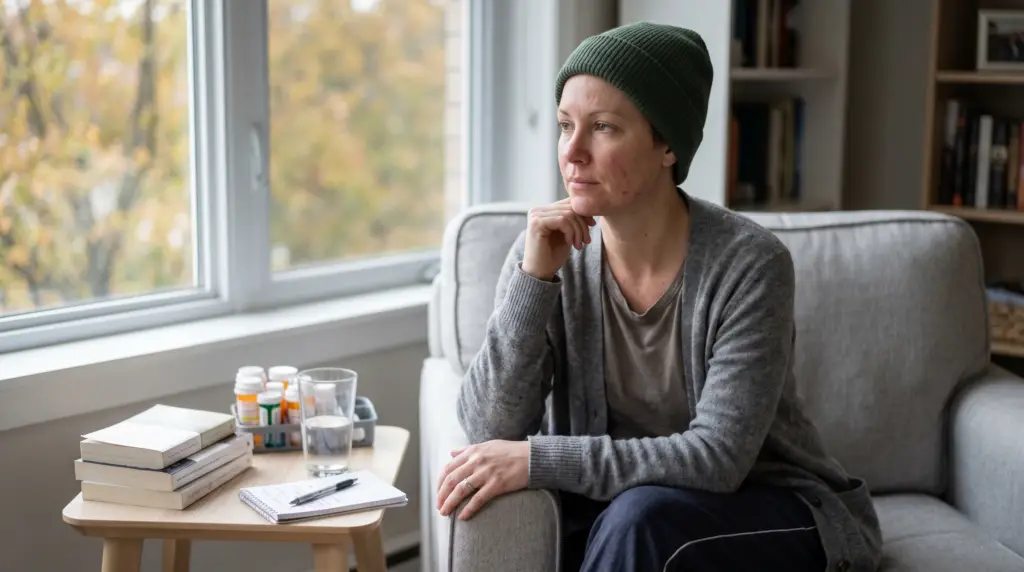
Chemotherapy recovery is a gradual healing process that continues even after cancer treatment sessions are completed. Many patients experience cancer fatigue, weakness, and ongoing chemo side effects that affect daily life and emotional well-being. Proper post chemo care and healthy lifestyle habits can help improve strength, immunity, and overall recovery. In addition, following expert chemo recovery tips may support better energy levels, nutrition, and long-term healing after chemotherapy.
Many people undergoing chemotherapy recovery continue to experience cancer fatigue and long-lasting chemo side effects for weeks or months after treatment. Proper post chemo care and medically guided chemo recovery tips can help improve physical strength and emotional well-being. Effective chemotherapy recovery often includes managing cancer fatigue, reducing severe chemo side effects, maintaining regular post chemo care, and following healthy chemo recovery tips to support better healing and quality of life.
Successful chemotherapy recovery requires patience, proper nutrition, and regular medical follow-up to manage ongoing cancer fatigue and delayed chemo side effects. Many patients benefit from structured post chemo care that focuses on immunity, emotional health, and gradual strength improvement. Doctors often recommend personalized chemo recovery tips to improve sleep, appetite, and overall well-being during chemotherapy recovery. Early management of cancer fatigue, continuous monitoring of chemo side effects, supportive post chemo care, and healthy chemo recovery tips can greatly improve recovery and daily comfort after cancer treatment.
What Is Chemotherapy Recovery?
Chemotherapy recovery is the phase where the body gradually heals after cancer treatment. While chemotherapy helps destroy cancer cells, it can also affect healthy cells, leading to physical and emotional side effects.
As a result, recovery often takes time and varies from person to person.
Recovery may involve improvements in:
- Energy levels
- Appetite and digestion
- Immune function
- Emotional well-being
- Hair and skin health
In addition, many patients are surprised that recovery continues even after treatment sessions end.
Why Recovery Feels Different for Everyone
No two chemotherapy experiences are exactly the same. Factors such as cancer type, treatment duration, age, and overall health can affect recovery speed.
Some people recover within weeks, while others may need several months to regain normal strength.
Common factors influencing recovery include:
- Type of chemotherapy drugs used
- Number of treatment cycles
- Nutritional status
- Existing medical conditions
- Stress and emotional health
Therefore, comparing recovery with others can sometimes create unnecessary anxiety.
Fatigue Can Last Longer Than Expected
One of the most common challenges after chemotherapy is persistent fatigue. Unlike normal tiredness, this exhaustion may continue even after adequate rest.
Patients may experience:
- Low energy throughout the day
- Weakness during simple activities
- Difficulty concentrating
- Reduced physical stamina
Moreover, fatigue may improve slowly over time rather than disappearing suddenly.
Emotional Recovery Is Often Overlooked
Many people focus only on physical healing, but emotional recovery is equally important. After treatment, patients may experience fear, stress, or uncertainty about the future.
Common emotional experiences include:
- Anxiety about cancer returning
- Mood swings
- Sleep difficulties
- Feeling emotionally drained
As a result, emotional support from family, friends, or professionals can play a major role in recovery.
Appetite and Taste Changes May Continue
Chemotherapy can temporarily affect taste buds and digestion. Therefore, some patients notice food tastes different even after treatment ends.
Common issues include:
- Reduced appetite
- Metallic taste in the mouth
- Sensitivity to certain smells
- Weight fluctuations
In addition, proper nutrition helps the body repair tissues and regain strength more effectively.
Hair and Skin Recovery Takes Time
Hair loss from chemotherapy is usually temporary, but regrowth may not happen immediately. New hair can also appear different in texture or color initially.
Patients may notice:
- Slow hair regrowth
- Dry or sensitive skin
- Nail weakness
- Increased skin sensitivity
However, these changes often improve gradually during recovery.
Immunity May Remain Weak for Some Time
Chemotherapy can lower the body’s immune defenses. Even after treatment ends, the immune system may still need time to recover fully.
Because of this, patients should:
- Maintain proper hygiene
- Avoid infections when possible
- Follow medical advice regarding vaccinations
- Attend regular follow-up visits
Therefore, continued health monitoring remains important after chemotherapy.
The Importance of Follow-Up Care
Recovery does not end with the last chemotherapy session. Regular follow-up appointments help doctors monitor overall health and detect any concerns early.
Follow-up care may include:
- Blood tests
- Imaging scans
- Nutritional guidance
- Symptom monitoring
In addition, these visits provide reassurance and help patients manage long-term side effects effectively.
Healthy Habits That Support Recovery
Simple lifestyle habits can help improve strength and overall well-being during recovery.
Helpful practices include:
- Eating a balanced diet
- Staying hydrated
- Gentle physical activity
- Getting adequate sleep
- Managing stress levels
As a result, consistent self-care can support both physical and emotional healing.
Final Thoughts
Chemotherapy recovery is often more complex than many people expect. While treatment may end within months, the body and mind may continue healing for a longer period. Understanding this process helps patients approach recovery with patience and realistic expectations.
With proper medical guidance, emotional support, and healthy habits, many individuals gradually regain strength and return to daily life with confidence.
Book a Consultation with Dr. Sudam Sadangi Today
If you or a loved one are recovering after chemotherapy and need expert guidance, professional support can help manage symptoms and improve quality of life.
📞Call for Appointment: +91 7854841519
📍Location: IMS & SUM Hospital, Bhubaneswar, Odisha
📧 Email: sudamscb@gmail.com
Recovery after chemotherapy is a journey, and the right care can make that journey smoother and safer.
