
Urological oncology surgery focuses on the diagnosis and surgical treatment of cancers affecting the urinary and reproductive systems. Advanced gynecological oncology surgery procedures help manage cancers involving the ovaries, cervix, uterus, and other pelvic organs with improved precision and patient care. Personalized urological cancer treatment plans are designed to support effective cancer management while preserving organ function whenever possible. Specialized bladder cancer surgery is performed using modern surgical techniques to remove cancerous tissue and improve recovery outcomes. Comprehensive ovarian cancer treatment may include surgery, supportive therapies, and long-term monitoring based on the patient’s condition and stage of cancer.
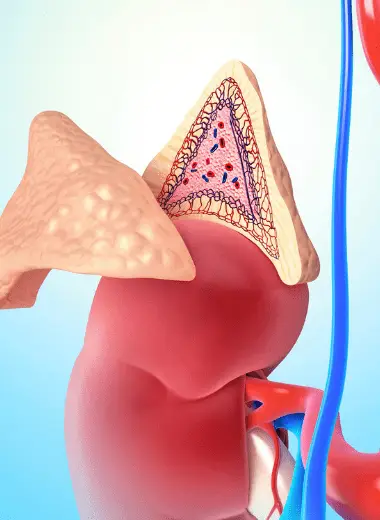
Gynecological cancer refers to cancers that develop in the female reproductive system, including the ovaries, cervix, uterus, vagina, vulva, and fallopian tubes. These cancers can affect women of different age groups and often require specialized diagnosis, personalized treatment planning, and multidisciplinary oncology care for effective management and recovery.
Certain factors may increase the risk of developing gynecological cancers, including hereditary predisposition, hormonal imbalance, unhealthy lifestyle habits, obesity, smoking, poor dietary patterns, and excessive consumption of alcohol or narcotic substances. In many cases, early symptoms may remain unnoticed, making regular screening, timely medical consultation, and preventive healthcare extremely important.
With advancements in modern oncology, early detection and specialized treatment approaches such as surgery, chemotherapy, targeted therapy, radiation therapy, and minimally invasive procedures can significantly improve treatment outcomes and quality of life for patients.
Modern urological oncology surgery focuses on treating urinary and reproductive system cancers with advanced surgical precision and patient-centered care. Specialized gynecological oncology surgery procedures are carefully planned to improve treatment outcomes while supporting faster recovery and long-term health management. Personalized urological cancer treatment may include minimally invasive surgery, reconstruction techniques, and supportive therapies based on the type and stage of cancer. Advanced bladder cancer surgery helps remove cancerous tissue while preserving urinary function whenever possible. Comprehensive ovarian cancer treatment also focuses on early diagnosis, effective surgical care, and continuous follow-up support for improved patient outcomes.
Successful urological oncology surgery requires accurate diagnosis, experienced surgical expertise, and continuous patient monitoring throughout recovery. Modern gynecological oncology surgery techniques help manage complex pelvic cancers with improved safety, precision, and patient comfort. Depending on the condition, urological cancer treatment may involve surgery combined with additional therapies to reduce recurrence risks and improve long-term recovery. Specialized bladder cancer surgery procedures are performed using advanced approaches that support healing and overall quality of life after treatment. Comprehensive ovarian cancer treatment plans also include rehabilitation, nutritional guidance, and long-term cancer care tailored to each patient’s individual needs.
Gynaecological cancers start spreading within the pelvis area of women, under the abdomen, and between their hip bones. Most women are influenced by ovarian cancer, cervical cancer, and endometrial cancer of the uterus. Other uncommon gynaecological cancers are the cancer of the vagina, vulva, fallopian tubes, and gestational trophoblastic tumors. These tumors require multi disciplinary approach for better outcome. We specialize in managing these cancers with our team including radiation and medical oncologist.
Uro oncology is a branch with special training in diagnosing and treating male and female urinary tract cancers and the male reproductive organs. These organs possess the bladder, kidneys, prostate, penis, and testicles. Urological cancers are relatively common, with prostate, bladder, and kidney cancers among the ten most common cancers diagnosed in India.
Dr. Sudam specializes in both Urological and Gynaecological Oncology and provides excellent treatment.
If you have cancer, your oncologist may suggest a variety of treatments. However, the standard cancer treatment options include surgery, chemotherapy, and radiation. In addition, depending on the harshness of the disease, an oncologist may suggest other treatments.
You may feel confused during your therapy period, but consulting your doctor will solve your queries about the treatment process.