
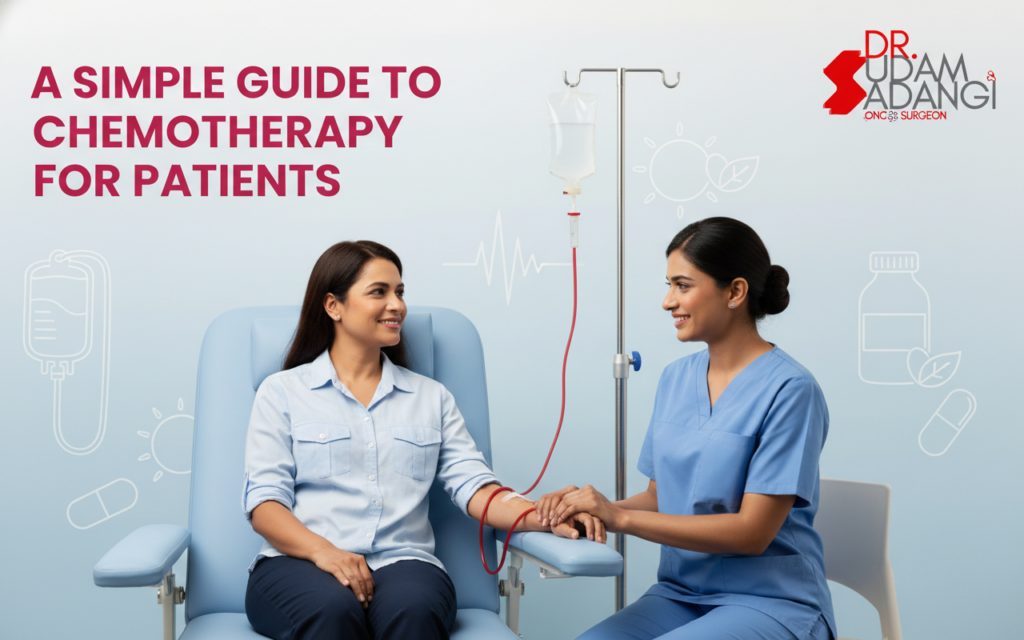
Hearing the word “chemotherapy” can feel frightening for many cancer patients. However, understanding what chemotherapy really is and how it works can remove fear and confusion. This simple guide will help you know what to expect from chemotherapy treatment.
What Is Chemotherapy?
Chemotherapy is a medical treatment that uses powerful medicines to destroy cancer cells. These drugs target rapidly growing cells in the body and help to:
Shrink tumors
Stop cancer from spreading
Reduce symptoms
Improve chances of recovery
Chemotherapy can be used alone or combined with surgery and radiation therapy depending on the type and stage of cancer.
Why Is Chemotherapy Given?
Chemotherapy may be recommended for different reasons:
To cure cancer by completely removing cancer cells
To control cancer growth
To reduce tumor size before surgery
To destroy remaining cancer cells after surgery
To relieve symptoms in advanced cancer
Every patient’s treatment plan is different and personalized according to their condition.
How Is Chemotherapy Given?
Chemotherapy can be given in several ways:
Through an IV drip
As oral tablets or capsules
Through injections
Directly into specific body areas (in some cases)
Treatment is usually given in cycles, with rest periods in between to allow the body to recover.
What Happens During a Chemotherapy Session?
On the day of chemotherapy:
Your vital signs will be checked
Medicines will be given to prevent nausea
The chemotherapy drug will be administered
You will be monitored by trained medical staff
Most sessions are safe and well supervised. Many patients can go home the same day.
Common Side Effects of Chemotherapy
Chemotherapy affects cancer cells but can also affect some normal cells. This may cause temporary side effects such as:
Nausea and vomiting
Hair loss
Fatigue
Loss of appetite
Mouth ulcers
Low immunity
Not every patient experiences all side effects. Modern medicines help control most of these problems effectively.
How to Manage Side Effects
Here are some simple tips to cope better during chemotherapy:
Eat small, frequent meals
Drink plenty of water
Take medicines as prescribed
Maintain good hygiene
Get enough rest
Report fever or unusual symptoms immediately
Your doctor will guide you on how to stay comfortable and safe during treatment.
Life During Chemotherapy
Many patients worry about daily life during chemotherapy. The truth is:
You can continue normal activities with some adjustments
Light exercise is usually allowed
Emotional support from family helps greatly
Regular follow-ups are important
With proper care, most people complete chemotherapy successfully and return to normal life.
Important Things to Remember
Chemotherapy is not the same for every patient
Treatment plans are customized
Side effects are manageable
Regular communication with your doctor is essential
Never hesitate to ask questions about your treatment.
Final Thoughts
Chemotherapy is a powerful and effective weapon against cancer. Though the journey may seem difficult, with expert care and proper guidance, it becomes much easier.
Understanding the process helps you stay confident and prepared.
📞 Book a Consultation with Dr. Sudam Sadangi Today
If you or your loved one has been advised chemotherapy and need expert guidance, get personalized care from an experienced oncosurgeon.
Call for Appointment: +91 7854841519
Location: IMS & SUM Hospital, Bhubaneswar, Odisha
Timely treatment and the right medical support can make a huge difference in cancer recovery.